Viscosity Optimization in Thermally Stable Resins
Development and characterization of a high-strength organic compound for sealing in extreme thermal cycling environments.
Client: Thermal Industrial Group
Sector: Energy & Automotive
Duration: 8 months
The Task
A manufacturer of components for electric vehicles needed a sealing resin that maintained a stable operating viscosity between -40°C and 180°C, preventing vertical dripping and cracking from thermal stress.
Our Approach
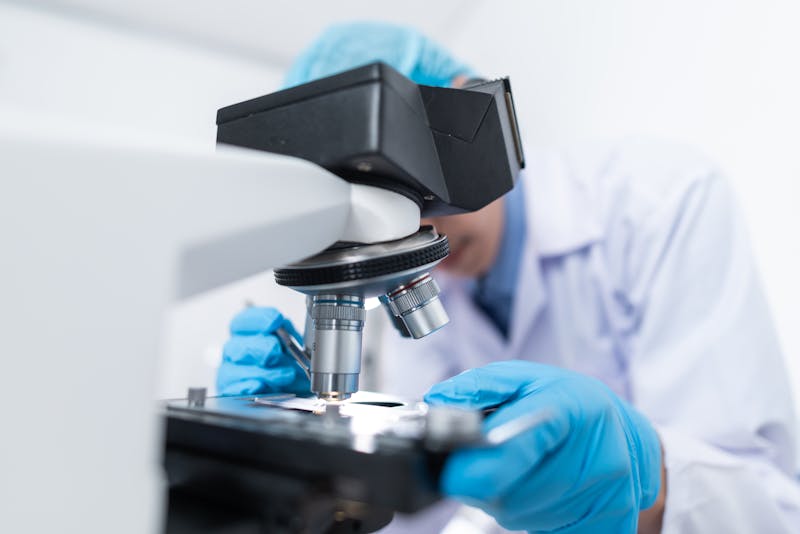
We implemented an advanced rheological analysis protocol, evaluating the curing kinetics and glass transition of over 15 base formulations. The focus was on modifying the molecular architecture of plasticizers to control flow.
Implementation & Results
The final solution was a patented organic compound, based on a mixture of epoxy resins modified with colloidal silica. A flat viscosity curve was achieved in the target range, with a variation of less than 12%. The material demonstrated an accelerated lifespan of over 5,000 thermal cycles without degradation.
- Target viscosity stabilized at 45,000 cP ±5%.
- 40% reduction in curing time without affecting adhesion.
- Certification passed according to international automotive standard.
Validation Materials
Complete technical report, physical validation samples, and industrial application protocol available for review.